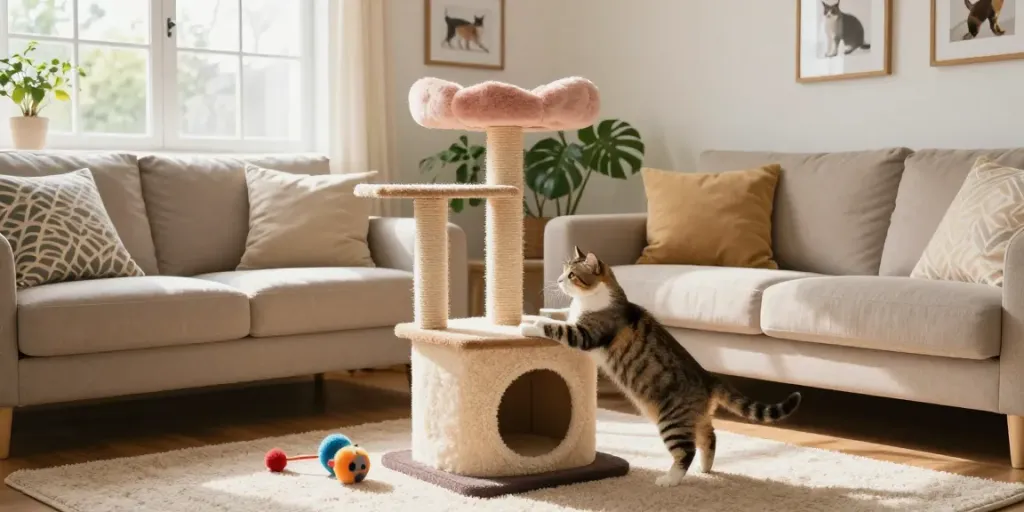
The Benefits of Cat Trees for Indoor Cats
As a dedicated cat owner, ensuring the well-being of your feline companion is essential. One of the most effective ways to enhance their quality of life is by investing in cat trees. These multi-level structures serve as a playground, sanctuary, and exercise area, contributing significantly to a cat's overall happiness and health. In this article, we will delve into the various benefits that cat trees offer and why they are a must-have for every indoor cat.
Why Cat Trees are Essential for Feline Wellbeing
Cat trees are designed to replicate the natural environment of felines, providing vertical space for climbing, jumping, and lounging. Cats are instinctually inclined to seek high vantage points, which allows them to observe their surroundings safely. This vertical perspective is crucial for their mental stimulation and reduces stress, particularly in indoor settings where natural climbing opportunities are limited.
- Safe Play Areas: Cat trees provide safe zones for active play, allowing kittens to burn off energy and older cats to engage in gentle exercise.
- Stress Relief: Creating personal hideaways promotes comfort. Cats can retreat to their cat trees when feeling overwhelmed, fostering a sense of security.
- Reduced Boredom: With multiple levels, scratching posts, and areas for play, cat trees can help eliminate boredom, which can often lead to behavioural issues.
How Cat Trees Promote Physical Activity
Physical activity is fundamental to a cat's health, preventing obesity and related illnesses. Cat trees encourage exercise by enticing cats to climb and jump. Cats naturally love to climb, and a well-structured cat tree provides the ideal platform for them to do so safely. Regular activity reduces the risk of health problems and keeps your furry friend agile and fit.
Additionally, many cat trees come with integrated toys and sisal scratching posts, stimulating play and encouraging interactive behaviours. These features not only engage your cat but also strengthen the bond between you and your pet as you participate in their playtime.
Understanding Different Types of Cat Trees
Not all cat trees are created equal. When choosing a cat tree, consider the various styles available to find the perfect match for your feline friend. Some popular types include:
- Multi-Level Cat Trees: These offer several platforms for climbing and lounging, catering to active cats that enjoy exploring.
- Condos and Hideaways: Ideal for shy cats, these types provide a sense of security with enclosed spaces.
- Cat Towers: Tall structures designed for climbing and engaging in active play. These are particularly suitable for larger breeds.
- Wall-Mounted Trees: Space-savers that utilise vertical wall space; great for homes with limited floor area.
Choosing the Right Cat Tree for Your Feline Friend
When it comes to selecting the perfect cat tree, understanding your cat's preferences and behaviours is crucial. Here are some key considerations to guide your choice.
Key Features to Look For in Cat Trees
As you browse through various options, focus on the essential features that will benefit your cat the most:
- Stability: A sturdy base prevents tipping and provides safety during play. Ensure the cat tree is well-constructed, particularly if you have a larger cat.
- Materials: Look for high-quality, durable materials that withstand scratching and climbing. Wood and sisal are preferred for their durability.
- Height: Consider your cat’s climbing ability. A taller tree will appeal to adventurous cats, while shorter ones may suit timid cats.
- Accessibility: Ensure that the platforms and hideaways are easily reachable, especially for older cats or those with mobility issues.
Comparing Materials and Designs of Cat Trees
Cat trees come in a variety of designs and materials, ranging from simple to extravagant. Wood cat trees offer durability and aesthetics, while carpet-covered structures are generally softer and warmer. Consider your home decor and your cat's personality when selecting a design. For instance, modern styles may appeal to owners seeking a chic look, whereas traditional designs might resonate more with those who prefer a classic feel.
Involving Your Cat in the Selection Process
While it may seem counterintuitive to involve your cat in the shopping process, observing their behaviour can lead to a better purchase. Bring them along when possible, or watch how they interact with various structures in the store. Take note of what attracts them most, whether it’s the height, the scratching surfaces, or the enclosed spaces.
Understanding Cat Behaviour and Play
A comprehensive understanding of cat behaviour is vital for providing an enriching environment. Cat trees play a significant role in fulfilling their natural instincts, which can lead to a more harmonious household.
How Cat Trees Cater to Natural Instincts
Cats are natural climbers and hunters, and cat trees help satisfy these instincts. The design of a cat tree mimics the allure of trees and elevated spaces found in nature, allowing cats to express their desire to explore and observe from heights. By providing diverse structures, cat trees encourage healthy behaviours such as climbing, scratching, and perching.
Encouraging Playful and Safe Environments
Creating a playful environment is essential for a cat’s well-being. By investing in a cat tree, you foster an engaging setting where your cat can play safely without the risk of injury associated with outdoor exploration. Integrating toys into the tree structure can provide added stimulation and encourage your cat to engage in playful behaviour throughout the day.
The Role of Scratching Posts in Cat Trees
Scratching is a natural behaviour for cats, serving both physical and psychological needs. Cat trees equipped with scratching posts help redirect this behaviour away from furniture, ensuring that your cat has a designated area to scratch and stretch. This not only protects your furnishings but also contributes to maintaining healthy claws.
Maintaining Cat Trees for Longevity
Once you've chosen the ideal cat tree, it's essential to maintain it properly for long-term use. Regular upkeep will ensure your investment continues to provide happiness and comfort for your cat.
Cleaning and Upkeeping Your Cat Tree
Regular cleaning is crucial to keep any cat tree hygienic. Use a vacuum to remove hair and debris, and wipe down surfaces with pet-safe cleaners. Depending on the material, you may need to replace parts, such as scratching posts, when they show signs of wear. Regular maintenance not only keeps the cat tree looking good but also helps prevent the spread of dirt and germs.
When to Replace Your Cat Tree
Even the most durable cat trees have a lifespan. Signs that it might be time for a replacement include significant wobbling, broken platforms, or frayed scratching posts. If you notice your cat avoiding their tree, it may be a signal that it’s no longer safe or comfortable for them to use.
Enhancing Cat Trees with Additional Accessories
To further enrich your cat's experience, consider enhancing the cat tree with additional accessories. These can include hanging toys, plush blankets, or even scent-marked cushions that appeal to your cat's senses. Accessories can revive an old cat tree, making it feel like a new playground for your feline.
Future Trends in Cat Trees
As we look ahead to 2026, the market for cat trees is evolving with innovative designs and features that cater to the discerning cat owner and their feline friends.
Innovative Designs and Features for 2026
Expect to see increased versatility in cat tree designs, with modular options that allow for customisation based on the owner's space and the cat's preferences. Integrating features like ramps, tunnels, and multiple scratching surfaces can make cat trees more appealing and functional.
Sustainable Materials in Cat Tree Manufacturing
Environmental consciousness is becoming prominent in pet furniture manufacturing. Expect to find more cat trees made from sustainably sourced materials, offering an eco-friendly alternative to traditional structures. This shift not only appeals to responsible pet owners but also promotes a healthier planet.
Smart Cat Trees: Technology Integration in Pet Furniture
Future cat trees may incorporate technology, such as automated toys or built-in cameras that allow owners to monitor their cats while away. Innovations like these could play a pivotal role in enhancing the interaction between cats and their owners, even from a distance.
What is the best brand of cat tree?
The best brand varies based on individual needs and preferences. However, thorough research and customer reviews can guide your choice towards reputable brands known for quality and durability.
Are cat trees good for cats?
Yes, cat trees are highly beneficial, providing crucial mental stimulation and physical exercise. They are excellent tools for enriching the lives of indoor cats.
How tall should a cat tree be?
The height of a cat tree should correspond to your cat’s age and agility. Taller trees suit active cats, while shorter structures benefit older or less mobile cats.
Can I make a DIY cat tree?
Absolutely! Many pet owners choose to create their own cat trees using wood, carpet, and sisal. DIY options can be both cost-effective and tailored to fit specific spaces.
What should I look for in a cat tree?
Look for stability, the quality of materials, accessibility, and features that cater to your cat's behaviours and preferences. The right combination can enhance your cat's playtime experience significantly.